
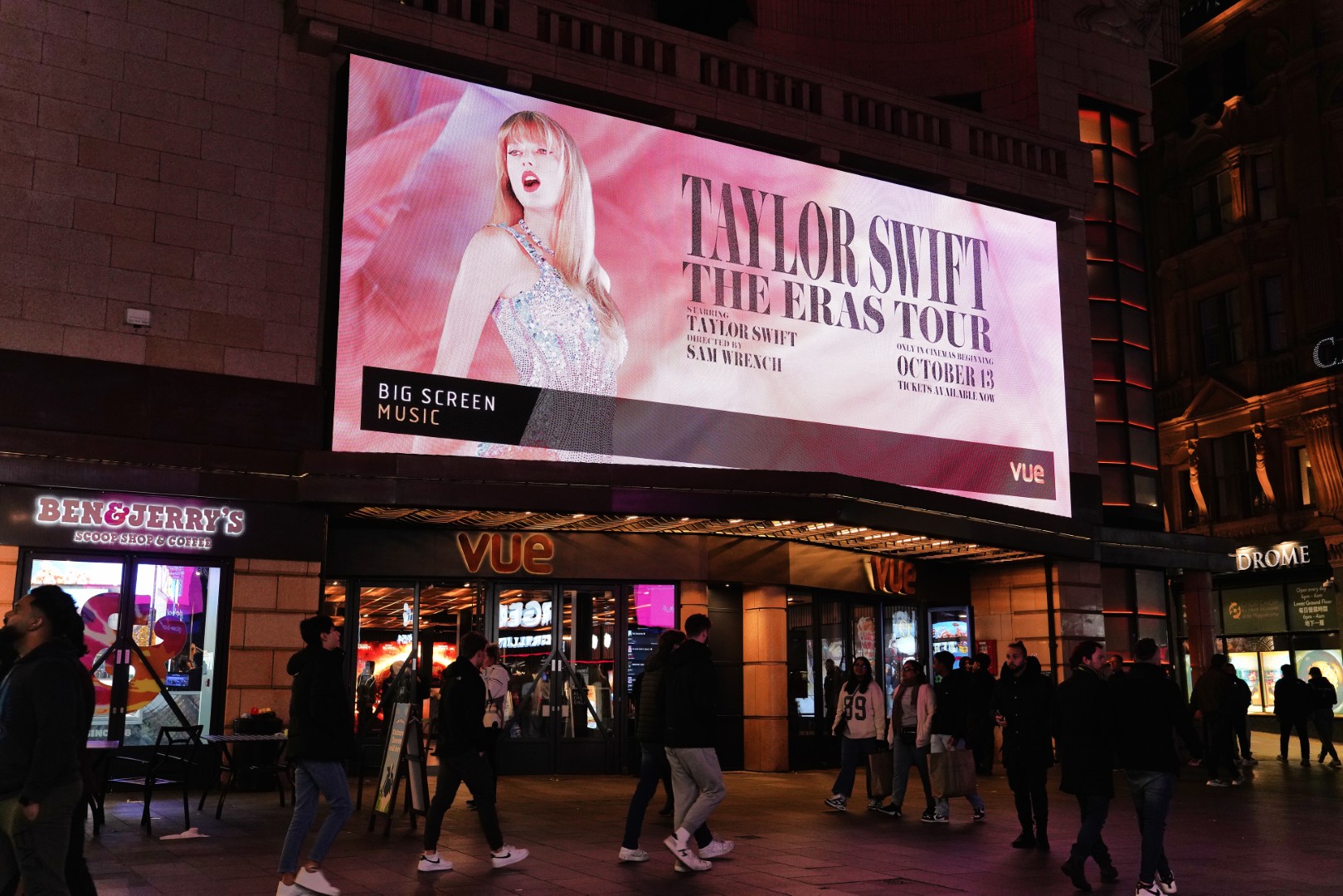
The Taylor Swift staff bonus story

SECTION GUIDE

A masterclass in recognition, trust and modern people leadership

The Taylor Swift staff bonus story did not go viral because of celebrity culture. It travelled because it touched a nerve in workplaces everywhere.

When Taylor Swift reportedly awarded bonuses of up to $100,000 to members of her Eras Tour crew, the reaction was strikingly consistent. Applause. Respect. And a quiet question from leaders everywhere:

Why does this feel so powerful — and why does it feel so rare?

For HR leaders, this moment offers far more than a feel-good headline. It is a living case study in how recognition, when done well, reinforces culture, builds trust and sustains performance over long, demanding periods.

Taylor Swift staff bonus storyimpact hr ident
  • Why the Taylor Swift staff bonus resonated so deeply

    The Eras Tour was not simply a series of concerts. It was one of the most complex touring operations ever delivered. Hundreds of crew members worked punishing schedules, transported entire cities of equipment across continents, and delivered flawless performances night after night under intense scrutiny.

    The Taylor Swift staff bonus resonated because it acknowledged the human reality of that effort.

    In many organisations, recognition focuses heavily on outcomes: profit, growth, delivery milestones. What often goes unrecognised is the sustained pressure required to achieve them. Long hours become normalised. Stress becomes invisible. Resilience becomes expected rather than appreciated.

    This is where many reward strategies quietly fail.

    The Taylor Swift staff bonus landed because it recognised:

    • Endurance, not just achievement

    • Invisible labour, not just visible success

    • Collective effort, not individual spotlight

    Employees respond powerfully when leaders demonstrate that they understand what the work actually took.

  • Recognition rooted in lived experience, not frameworks

    From an HR perspective, the most compelling aspect of the Taylor Swift staff bonus is that it did not appear to emerge from a rigid reward framework. It felt responsive, situational and human.

    This matters.

    In many organisations, recognition becomes over-engineered. Complex criteria, approval chains and budget cycles dilute intent. By the time recognition arrives, it feels procedural rather than personal.

    When recognition is grounded in lived experience:

    • Employees feel seen rather than managed
    • Appreciation feels authentic rather than obligatory
    • Trust strengthens between leaders and teams

    The lesson for HR is not to abandon structure, but to ensure structure does not suffocate humanity.

  • Timing: Why the Taylor Swift staff bonus landed at exactly the right moment

    One of the most overlooked aspects of the Taylor Swift staff bonus is timing.

    The bonuses followed the completion of a major tour phase — a natural psychological breakpoint. After months of intensity, the recognition arrived as people could finally exhale.

    This is crucial.

    Human motivation is episodic. People remember how moments end far more vividly than how they begin. Recognition delivered at the close of a demanding cycle becomes emotionally anchored to relief, pride and validation.

    By contrast, delayed recognition often feels disconnected:

    • Annual bonuses blur into entitlement
    • Generic thank-yous fade into background noise
    • Effort and reward become psychologically uncoupled

    For HR leaders, this is a critical insight. Timely recognition does not require larger budgets — it requires attention.

  • Fairness over hierarchy: A defining feature of the Taylor Swift staff bonus

    Perhaps the most powerful signal within the Taylor Swift staff bonus story was who received it.

    This was not recognition reserved for executives or high-profile contributors. It included drivers, technicians and logistics specialists — roles without which the tour simply would not function.

    This matters deeply in organisational life.

    Perceived unfairness in reward is one of the strongest predictors of disengagement. When employees believe recognition follows hierarchy, politics or proximity to leadership, trust erodes quickly.

    Fair recognition is not about equal amounts. It is about:

    • Transparent logic
    • Credible criteria
    • Alignment with contribution

    The Taylor Swift staff bonus demonstrated that fairness, when visible, builds belief in leadership decisions — even among those who receive less.

  • How the Taylor Swift staff bonus becomes a culture-defining moment

    Most organisations invest heavily in defining values. Far fewer invest in moments that bring those values to life.

    The Taylor Swift staff bonus became one of those moments.

    Long after the tour ends, this decision will be retold. Not as a policy. Not as a benefit. But as a story about how people were treated when the work was hardest.

    From an HR lens, this reinforces a fundamental truth:

    • Culture is not created by statements
    • It is created by remembered decisions
    • Employees tell stories, not strategy decks

    Moments like this become shorthand for organisational character.

  • What the Taylor Swift staff bonus reveals about modern leadership

    At its core, the Taylor Swift staff bonus is a leadership story.

    It signals a leader who understands that sustained performance is not extracted — it is supported. That people give more when they believe their effort matters beyond output.

    For HR leaders, this reinforces the evolving role of people strategy:

    • From control to trust
    • From compliance to credibility
    • From policy to judgement

    Recognition is not a soft issue. It is a strategic lever.

Taylor Swift staff bonus story

What HR leaders can apply from the Taylor Swift staff bonus

You do not need global tours or celebrity budgets to apply these lessons.

HR leaders should be asking:

  • Where do we rely on goodwill without acknowledgement?
  • Where has “exceptional effort” quietly become normalised?
  • Are managers empowered to recognise people without fear or friction?

In many organisations, the barrier is not cost — it is confidence. HR’s role is to create clear, fair principles that enable leaders to act human at the right moments.

The strategic HR takeaway

The Taylor Swift staff bonus is not about generosity. It is about credibility.

Recognition works when it is:

  • Timely, so it feels personal
  • Fair, so it feels just
  • Grounded, so it feels real

When those conditions are met, recognition becomes a driver of trust, retention and discretionary effort.

People rarely disengage because of pay alone. They disengage when effort goes unnoticed for too long.

Your Questions Answered

Everything you need to know about The Taylor Swift staff bonus

  • Why has the Taylor Swift staff bonus attracted so much attention?Reveal

    Because it aligns recognition with effort, timing and fairness — the three elements employees care about most.

  • Is the Taylor Swift staff bonus relevant to SMEs?Reveal

    Yes. Scale changes the numbers, not the psychology. SMEs often outperform larger organisations through better timing and sincerity.

  • Does this mean bonuses are the best form of recognition?Reveal

    No. Financial reward matters, but recognition is about meaning, not just money.

  • Can informal recognition replace formal reward systems?Reveal

    No. The most effective organisations use structured reward for consistency and human recognition for impact.

  • What role should HR play in recognition decisions?Reveal

    HR should enable clarity and confidence, not act as a bottleneck. The aim is fairness without friction.

  • How does recognition affect retention?Reveal

    Feeling unseen is one of the most common precursors to disengagement and exit — often before pay becomes an issue.

  • Is public recognition always better than private recognition?Reveal

    Not always. The best recognition matches the individual and the moment.

  • How can organisations avoid recognition becoming performative?Reveal

    By ensuring it reflects real effort, is well-timed and can be explained credibly.

  • What risks arise when recognition is poorly handled?Reveal

    Perceived favouritism, disengagement, cynicism and erosion of trust.

  • What is the biggest lesson for HR leaders?Reveal

    That recognition is not an “extra”. It is a core leadership behaviour with measurable business impact.