High-Visibility (Hi-Vis) PPE

SECTION GUIDE

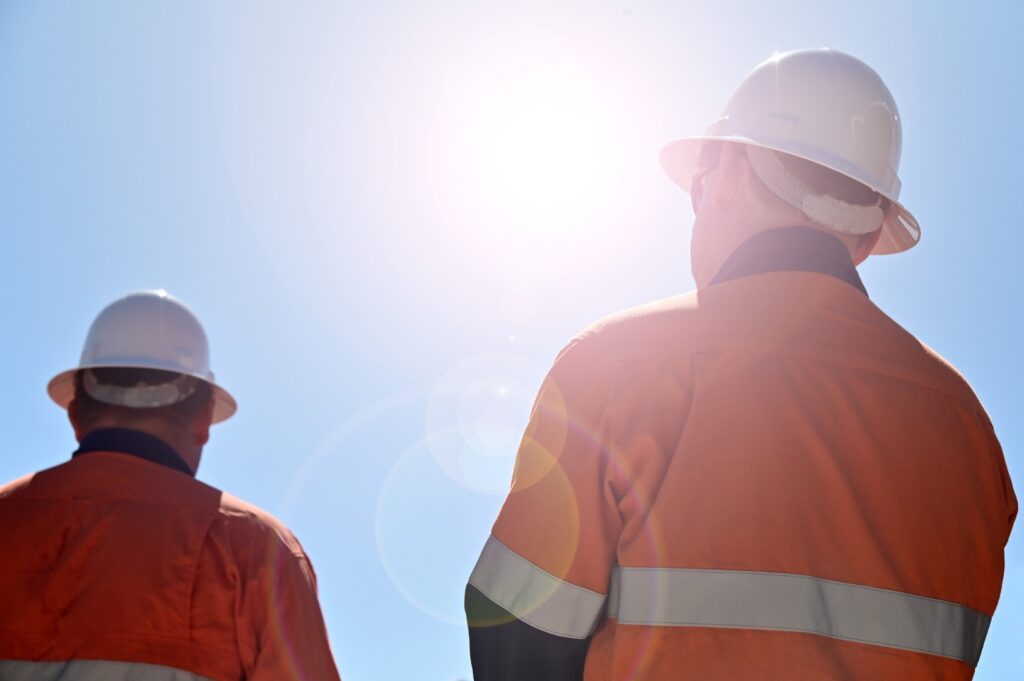
This Toolbox Talk explains why hi-vis PPE is important, when it must be worn, and what is expected of everyone working in areas where vehicles, plant or poor visibility present a risk. Hi-vis is a key control to help drivers and operators see you in time to avoid accidents.

Complete the form to unlock the full Toolbox Talk below and access a downloadable PDF version for briefing your managers and employees.

Complete your details to reveal and download the Hight-Visibility (Hi-Vis) PPE  -Toolbox Talk

    impact hr ident
    • Why is Hi-Vis important

      Being seen is critical when working around vehicles, mobile plant or traffic routes. Many serious injuries and fatalities occur because drivers do not see pedestrians early enough.

      Hi-vis PPE:

      • Helps drivers and plan operators identify people quickly
      • Improves visibility in daylight, low light and poor weather
      • Reduces the risk of struck-by and reversing incidents
      • Most vehicle-related incidents are preventable when the correct hi-vis PPE is worn consistently

    • When should Hi-Vis be worn?

      Hi-vis PPE must be worn:

      • In vehicle routes, yards and loading areas
      • Where forklifts, mobile plant or site vehicles operate
      • During delivery, loading or unloading activities
      • In poor lighting, bad weather or night work
      • Wherever site rules or signage requires it

      Removing Hi-Vis PPE in these areas could put you and others at risk.

    • High-Vis Classes – What you need to know

      Hi-Vis PPE is issued to you, based on risk assessment and site rules. There are three levels (“Classes”) of high-vis:

      • Class 1 – offers a low level of visibility, therefore is not often used where moving vehicles are present.
      • Class 2 – offers a medium level of visibility, common in vehicle yards, warehouses and sites where moving vehicles are present.
      • Class 3 – offers a high level of visibility, often required for high-risk working areas such as highways, poor visibility or night work.

      You must wear the minimum class specified for your work area.

    • Wear your Hi-Vis correctly

      To ensure its effectiveness, hi-vis PPE must be worn appropriately. In particular, you should ensure that:

      • Your high-vis is fully fastened and clearly visible
      • You wear your hi-vis at all times, in designated areas
      • It is not covered by other clothing
      • You don’t remove it, even for “just a moment”

      You will be issues with the appropriate class for the activity and risks. Always war hi-vis issued to you.

    • Condition & Care

      Damaged or faded hi-vis PPE does not provide protection. You should:

      • Check hi-vis before use
      • Report fading, tears, or damaged reflective strips
      • Keep hi-vis clean so it remains visible
      • Replace hi-vis that no longer performs effectively
      • Never rely on worn-out PPE
    • Common reasons for Hi-Vis failures

      Incident can happen if:

      • Hi-vis is not being worn
      • Hi-vis is ineffective for the risk and activities (incorrect class being used)
      • Hi-vis is covered by jackets or harnesses
      • The garments are dirty, defective or faded
      • Users become complacent / willing to take short cuts

      If the risk assessment required it, the use of hi-vis clothing is not optional, but a basic safety control.

    • Remember

      • Hi-vis PPE helps drivers see you
      • If hi-vis is required, wear it
      • If it is damaged, report it
      • If you are unsure which class to wear, ask
      • Never assume you can be seen
      • If visibility is reduced, stop and reassess


    • Discussion Points

      • Where on site should hi-vis be worn?
      • Have you inspected the condition of your hi-vis today?
      • Does everyone consistently wear hi-vis appropriately on our site?
      • How would you report damaged or worn-out hi-vis?
    • Download the Toolbox Talk PDF

      Working at Height – Flat Roofs - Toolbox Talk

      Ideal for team briefings, training sessions, or your health & safety records.

      Download Toolbox Talk

    Your Questions Answered

    Everything you need to know Hi-Vis

    • Why do I need to wear hi-vis?Reveal

      Hi-vis clothing helps make you more visible to drivers, plant operators, colleagues and other people working nearby. It is particularly important in busy, low-light or high-risk areas.

    • When should I wear hi-vis?Reveal

      Hi-vis should be worn whenever your workplace risk assessment or site rules require it, particularly when working near vehicles, mobile plant, roads or in areas with limited visibility.

    • Can I wear my own hi-vis clothing?Reveal

      Only if it meets your employer’s requirements and the relevant standard for the work being carried out. Always check your workplace policy before using personal PPE.

    • What if my hi-vis is dirty or damaged?Reveal

      Dirty, faded or damaged hi-vis may not provide the same level of visibility. Report damaged or worn PPE and replace it when necessary.

    • Does hi-vis replace other PPE?Reveal

      No. Hi-vis is only one part of your PPE. You may also need safety footwear, hard hats, eye protection, gloves or other PPE depending on the risks of the job.

    Make an enquiry

    Let’s talk

    Start making your impact.

    Whether you need day-to-day HR support, ad-hoc support or a long-term partner, we’re here to help.

    Get in touch for a free initial chat — no pressure, just practical advice from people who get it.

    0330 2369866
    hello@impacthr.co.uk

    Leicester: 6 St. Georges Way, 3rd Floor, St. George’s House, Leicester LE1 1QZ
    London: 167 City Road, London EC1V 1AW
    Leeds: Building 3, City West Business Park, Gelderd Rd, Holbeck, Leeds LS12 6LN
    Essex: Halford House, 2 Coval Lane, Chelmsford, England, CM1 1TD