Working at Height – Flat Roofs Last modified: February 2, 2026

impact hr ident
Working at Height

SECTION GUIDE

Working at Height – Flat Roofs

Working at height refers to any work activity where a person could fall a distance liable to cause personal injury. This includes work carried out on flat roofs, which remain a significant cause of serious injury, fatalities and enforcement action across the UK.

Flat roofs are often mistakenly viewed as lower risk than pitched roofs. In reality, they present high-risk working at height hazards, particularly where edge protection, access arrangements or planning are inadequate. The Health and Safety Executive (HSE) continues to prosecute organisations where failures lead to falls from flat roofs.

  • Why working on flat roofs is high risk

    All roof work should be treated as high risk, regardless of the duration or complexity of the task. Even short, routine activities such as inspections, repairs or cleaning can expose workers to serious fall hazards.

    Key risks associated with flat roofs include:

    • Falls from unprotected edges, particularly where no permanent parapet or temporary guard-rail system is in place
    • Falls through fragile surfaces, including rooflights or panels not designed to support weight
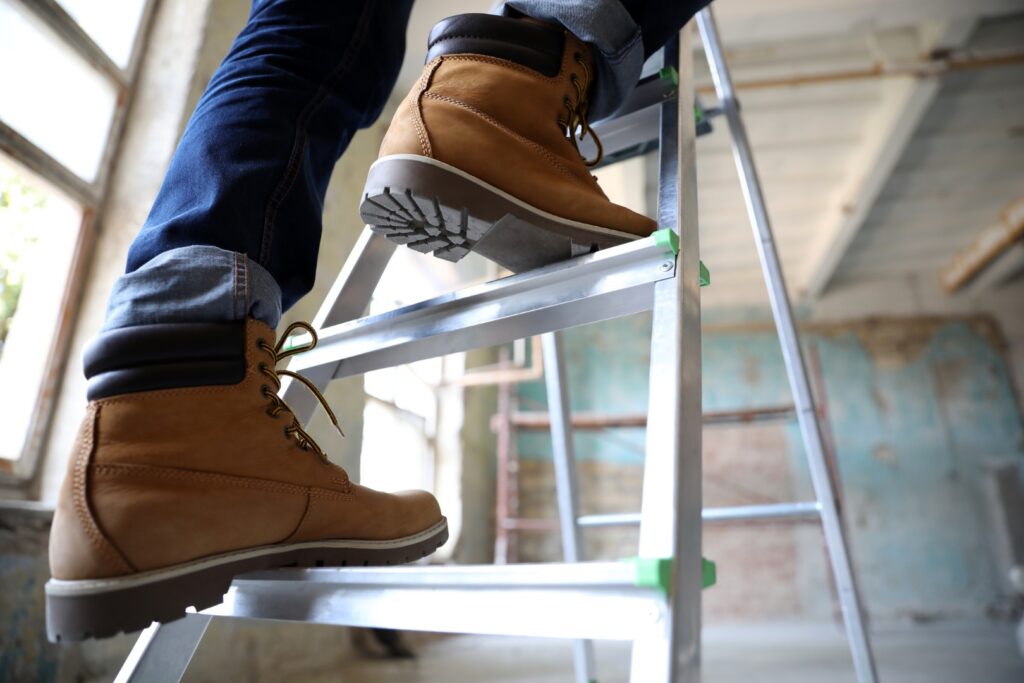
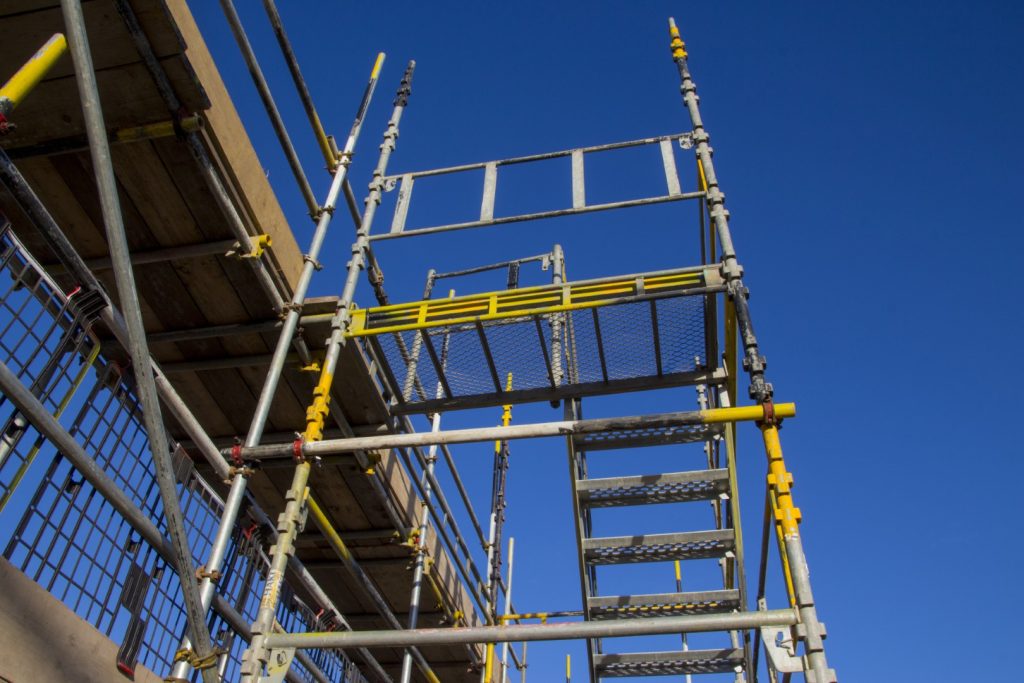
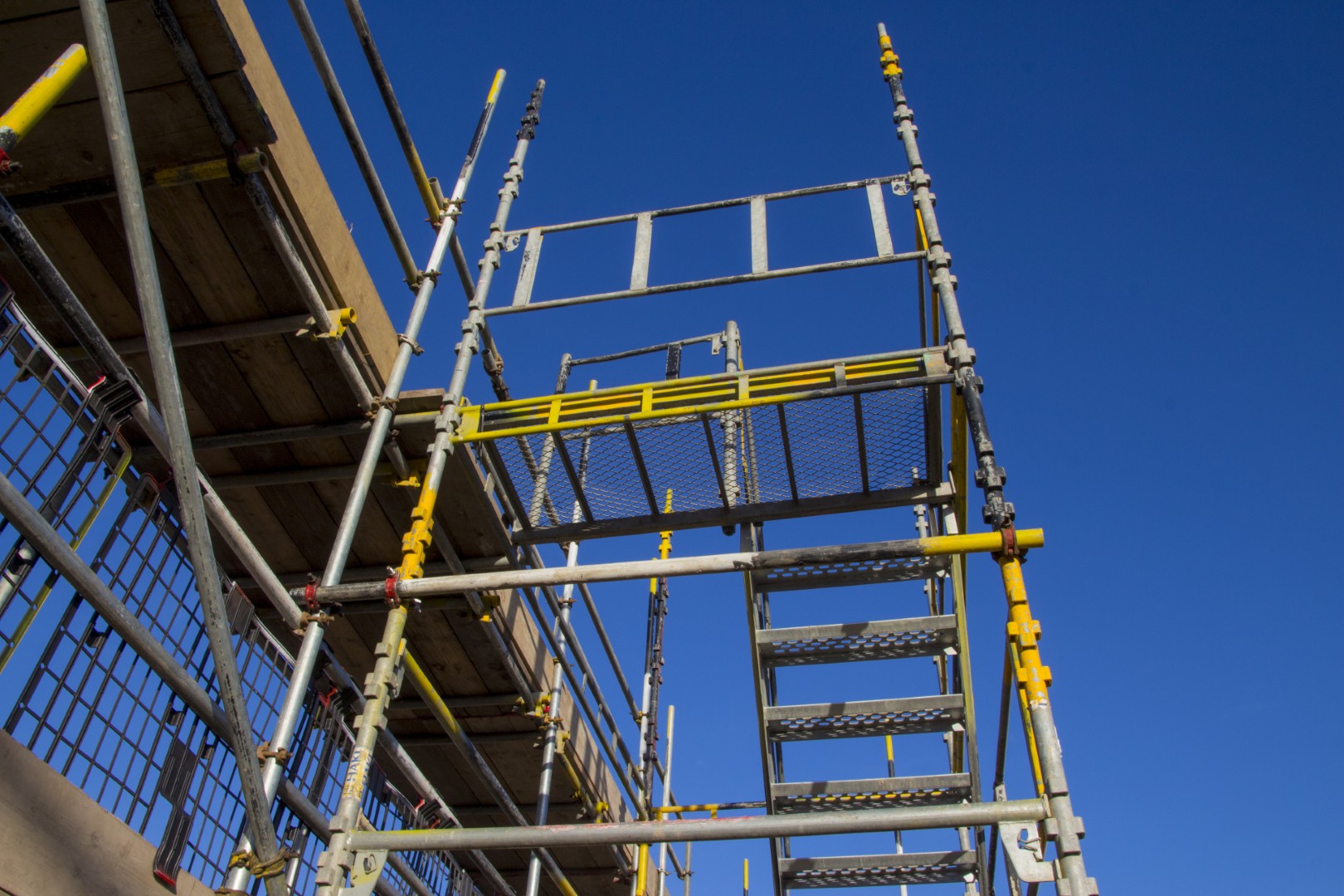
    • Unsafe access or egress, such as unsecured ladders, unsuitable temporary platforms or poorly erected scaffolding
    • Inadequate planning or supervision, including lack of risk assessment, method statements or competent oversight
    • Environmental factors, such as adverse weather, slips, trips and manual handling risks on a horizontal working surface
  • Work at Height Safety
  • Legal duties when working on flat roofs

    Employers, contractors and those in control of premises have clear legal responsibilities when work is carried out on flat roofs.

    Work at Height Regulations 2005

    These regulations require that:

    • Work at height is properly planned, organised and supervised
    • It is carried out by competent persons
    • Appropriate measures are taken to prevent falls, so far as is reasonably practicable

    This includes selecting suitable equipment, providing edge protection and ensuring safe access.

    Construction (Design and Management) Regulations 2015 (CDM)

    Where flat-roof work forms part of construction activity, duties also apply to clients, designers and contractors. Health and safety must be integrated into the planning, design and execution of the work.

    Failure to comply can result in enforcement notices, prosecution, unlimited fines and civil claims.

Managing risk on flat roofs: best practice controls

impact HR recommends a structured approach aligned with the hierarchy of controls.

  • Risk assessment and method statements (RAMS)

    • Carry out a task-specific risk assessment covering edge risks, fragile surfaces, access arrangements, weather and manual handling
    • Produce a clear method statement explaining how the work will be carried out safely
    • Brief all operatives before work begins
  • Apply the hierarchy of controls

    Avoid
    Eliminate the need to work at height where reasonably practicable by completing work from ground level or using alternative methods.

    Prevent
    Use collective protection such as guard-rails, toe-boards and scaffolding. Flat roofs without parapets should have temporary edge protection installed before access is permitted.

    Minimise
    Where prevention is not reasonably practicable, use fall-restraint systems, fall-arrest harnesses, safety nets or airbags to reduce fall distance and injury severity.

  • Safe access and equipment

    • Provide stable access such as stair towers, scaffold systems or secured ladders
    • Avoid ladders for prolonged or complex tasks
    • Inspect, maintain and correctly use all equipment
    • Ensure workers are trained and competent
  • Supervision, site management and weather control

    • Appoint a competent person to oversee flat-roof work
    • Maintain good housekeeping to reduce slip and trip risks
    • Monitor weather conditions and stop work where conditions make it unsafe
    • Ensure emergency and rescue procedures are in place

Put this guidance into action

Use our Toolbox Talk to brief your managers and supervisors, and share the Checklist with your wider team to help embed safe working practices across your organisation.

Employers can share this to reinforce safe habits and ensure consistent messaging across the organisation.

Download Toolbox Talk    Download Checklist

Why working at height compliance matters

Working at height remains one of the leading causes of fatal and life-changing workplace injuries in the UK. Flat roofs, in particular, are frequently involved in incidents where basic controls such as edge protection, safe access or supervision were missing or inadequate.

Failing to manage flat-roof work effectively can result in:

  • Serious injury or fatality

    Falls from height commonly result in permanent injury or death. For employers, this carries profound human consequences for individuals, families and colleagues, as well as long-term moral and organisational impact.

  • HSE enforcement action and prosecution

    The Health and Safety Executive actively investigates fall-from-height incidents. Where breaches of the Work at Height Regulations are identified, organisations may face Improvement or Prohibition Notices, formal investigations and criminal prosecution.

  • Significant fines and increased insurance costs

    Courts regularly impose substantial fines for working at height failures, even where no fatality occurs. These costs are often compounded by higher insurance premiums, civil claims and uninsured losses.

  • Project delays and reputational damage

    Enforcement action can halt work immediately, causing disruption, missed deadlines and contractual disputes. Beyond this, poor safety management can damage relationships with clients, contractors and insurers, undermining trust and commercial credibility.

Your Questions Answered

Everything you need to know about working at height on flat roofs

  • Is work on flat roofs classed as working at height?Reveal

    Yes. Any task where a fall could result in injury is classed as working at height, regardless of roof pitch.

  • Do flat roofs require edge protection?Reveal

    In most cases, yes. Where there is a risk of falling, suitable edge protection or alternative controls must be in place.

  • Are rooflights considered fragile surfaces?Reveal

    Yes. Rooflights are a common cause of fatal and major injuries and must be protected or covered.

  • Can ladders be used to access flat roofs?Reveal

    Ladders may be suitable for short-duration access but are not appropriate for prolonged or complex tasks.

  • Who is responsible for working at height safety?Reveal

    Responsibility sits with employers, contractors and those in control of the work or premises, depending on the circumstances.