Working on flat roofs is a high-risk activity and remains one of the leading causes of serious injury and fatalities at work. Falls from height can occur quickly and often with life-changing consequences.
This toolbox talk provides essential safety information for anyone required to access or work on flat roofs and should be delivered before work begins.
Complete the form to unlock the full Toolbox Talk below and access a downloadable PDF version for briefing your managers and employees.
Complete your details to reveal and download the Working at height -Toolbox Talk
What Is the Risk?
Flat roofs can give a false sense of security. Key risks include:
Falling from unprotected roof edges
Falling through fragile surfaces such as rooflights
Slips and trips caused by poor housekeeping or adverse weather
Falling tools, materials or debris striking people below
Unsafe or unstable access and egress
Even short-duration tasks can carry significant risk if controls are not in place.
Who Is at Risk?
Employees and contractors working on flat roofs
Maintenance, facilities and construction workers
Anyone accessing roofs for inspections or repairs
People working or passing below roof-level work
Legal Duties
Under the Work at Height Regulations 2005, all work at height must be:
Properly planned
Appropriately supervised
Carried out by competent persons
Supported by suitable measures to prevent falls
Where roof work forms part of construction activity, the CDM Regulations 2015 also apply, requiring effective planning, coordination and management of health and safety risks.
Key Hazards
Unprotected roof edges or incomplete edge protection
Fragile surfaces, including rooflights and fragile panels
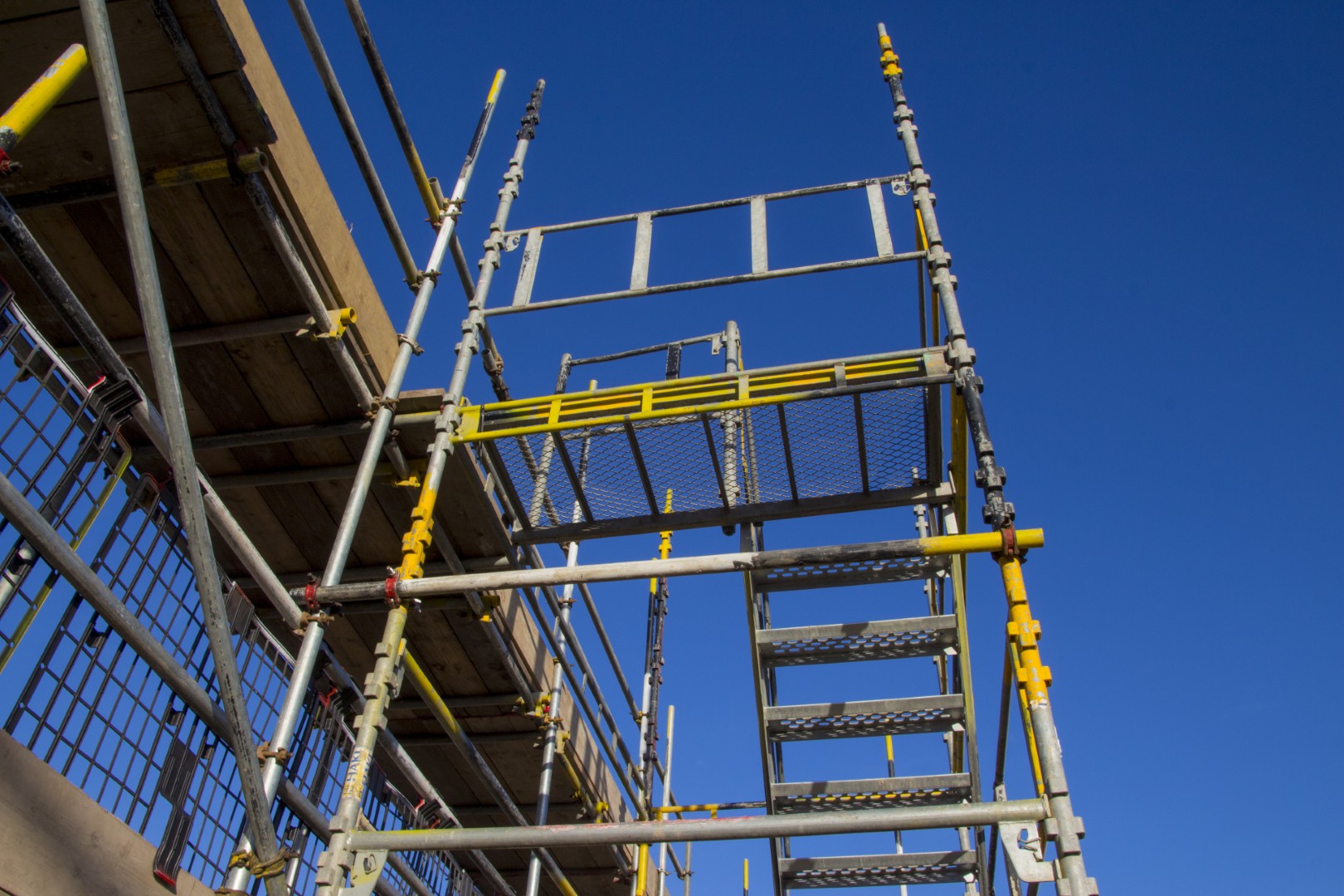
Unsafe ladders, scaffolding or access routes
Poor weather conditions such as rain, wind, frost or ice
Poor housekeeping creating slip or trip hazards
Unsecured tools, materials or waste
Key Controls
Authorised access only
Roof access must only take place following approval and a clear briefing. Workers must understand the risk assessment, method statement, access points and emergency arrangements before accessing the roof.
Safe access and egress
Only agreed access points should be used, such as secured ladders, stair towers or scaffold platforms. Access routes must be stable, secure and unobstructed.
Edge protection and fall prevention
Suitable edge protection, including guardrails and toe boards, must be in place before work starts where no parapet exists. Where collective protection is not reasonably practicable, appropriate fall-restraint or fall-arrest systems must be used.
Protection from fragile surfaces
All rooflights and fragile surfaces must be treated as unsafe. These areas must be clearly marked, covered or physically protected, with exclusion zones strictly enforced.
Good housekeeping
Walkways and working areas must be kept clear of tools, materials and waste. Materials should be stored safely to prevent slips, trips and falling objects.
Weather monitoring
Weather conditions must be checked before and during work. Work must stop immediately if conditions become unsafe due to wind, rain, frost or ice.
Secure tools and materials
Tools and materials must be secured to prevent them falling from height. Mechanical lifting aids should be used where possible to reduce manual handling risks.
Emergency Arrangements
Rescue procedures must be in place and understood where fall-arrest systems are used
First aid arrangements must be confirmed before work begins
All workers must know how to raise the alarm in an emergency
Key Reminders
Never access a flat roof without authorisation
Treat all rooflights and fragile surfaces as unsafe
Keep access routes and working areas clear at all times
Report missing or damaged edge protection immediately
Stop work if conditions become unsafe
Download the Toolbox Talk PDF
Ideal for team briefings, training sessions, or your health & safety records.
Download Toolbox Talk
Discussion Points
Are all access points safe, secure and free from obstruction?
Has edge protection been installed and checked?
Are fragile surfaces clearly identified and protected?
Do you know what to do if weather conditions deteriorate?
Are emergency and rescue arrangements understood by everyone?
Your Questions Answered
Everything you need to know about working at heigh on flat roofs
Do the Work at Height Regulations apply to flat roofs?
Yes. Flat roofs are classed as work at height under the Work at Height Regulations 2005. The risk of falling remains, particularly at edges, access points and fragile surfaces such as rooflights.
Are rooflights always considered fragile?
Yes. All rooflights and similar surfaces must be treated as fragile unless confirmed otherwise by a competent person. They must never be stood on and should be clearly marked, covered or protected.
Is edge protection always required on flat roofs?
Where there is a risk of falling, suitable edge protection such as guardrails and toe boards must be provided. If collective protection is not reasonably practicable, appropriate fall-restraint or fall-arrest systems must be used.
Can ladders be used to access flat roofs?
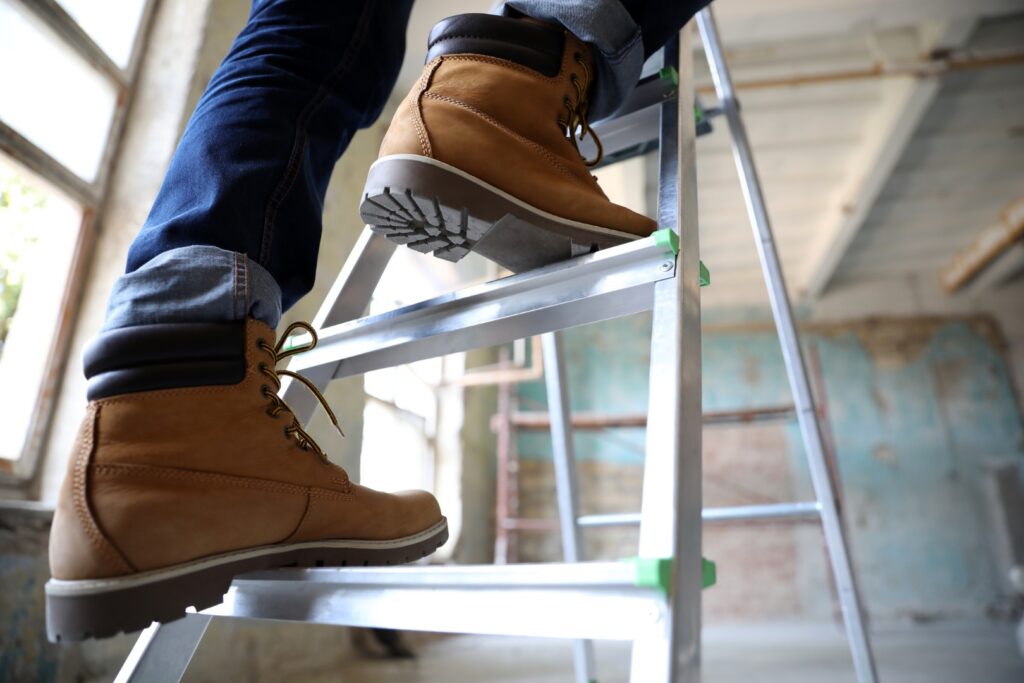
Yes, but only where suitable and properly secured. Ladders must be stable, tied or otherwise secured, and used only as an access point — not as a working platform.
What should we do if weather conditions change while working?
Work must stop immediately if conditions become unsafe due to wind, rain, frost or ice. Weather should be monitored throughout the task, not just at the start.
Do we need a rescue plan when using fall-arrest equipment?
Yes. If fall-arrest systems are used, a clear and practical rescue plan must be in place and understood by everyone involved before work starts.
Who is responsible for checking edge protection and controls?
Supervisors and managers are responsible for ensuring controls are in place and remain effective. All workers also have a duty to report missing or damaged protection immediately.
Where to find out more A collection of hand-picked useful resources for working at height from impact HR and beyond
Leicester: 6 St. Georges Way, 3rd Floor, St. George’s House, Leicester LE1 1QZ London: 167 City Road, London EC1V 1AW Leeds: Building 3, City West Business Park, Gelderd Rd, Holbeck, Leeds LS12 6LN Essex: Halford House, 2 Coval Lane, Chelmsford, England, CM1 1TD
You may also like Explore more content to keep you informed and up to date with the latest HR resources
guide
Weil’s Disease (Leptospirosis): The Essential Employer Guide
Fill in the form below and we’ll contact you to discuss how we can help you switch Health and Safety providers.
Send us your details
We’re always open to hearing from HR professionals who share our values. If you’re passionate about supporting businesses and making a difference, we’d love to hear from you.
Make your Payroll enquiry
Fill in the form below and we’ll contact you to discuss how we can help manage your payroll.
Ready to switch HR providers?
Fill in the form below and we’ll contact you to discuss how we can help you switch HR providers.
Request a NewPossible Demo
Fill in the form below and we’ll contact you to arrange a demo.