

Portable Appliance Testing (PAT) Last modified: November 3, 2026

impact hr ident
P - Portable Appliance Testing

SECTION GUIDE

What is Portable Appliance Testing (PAT)?

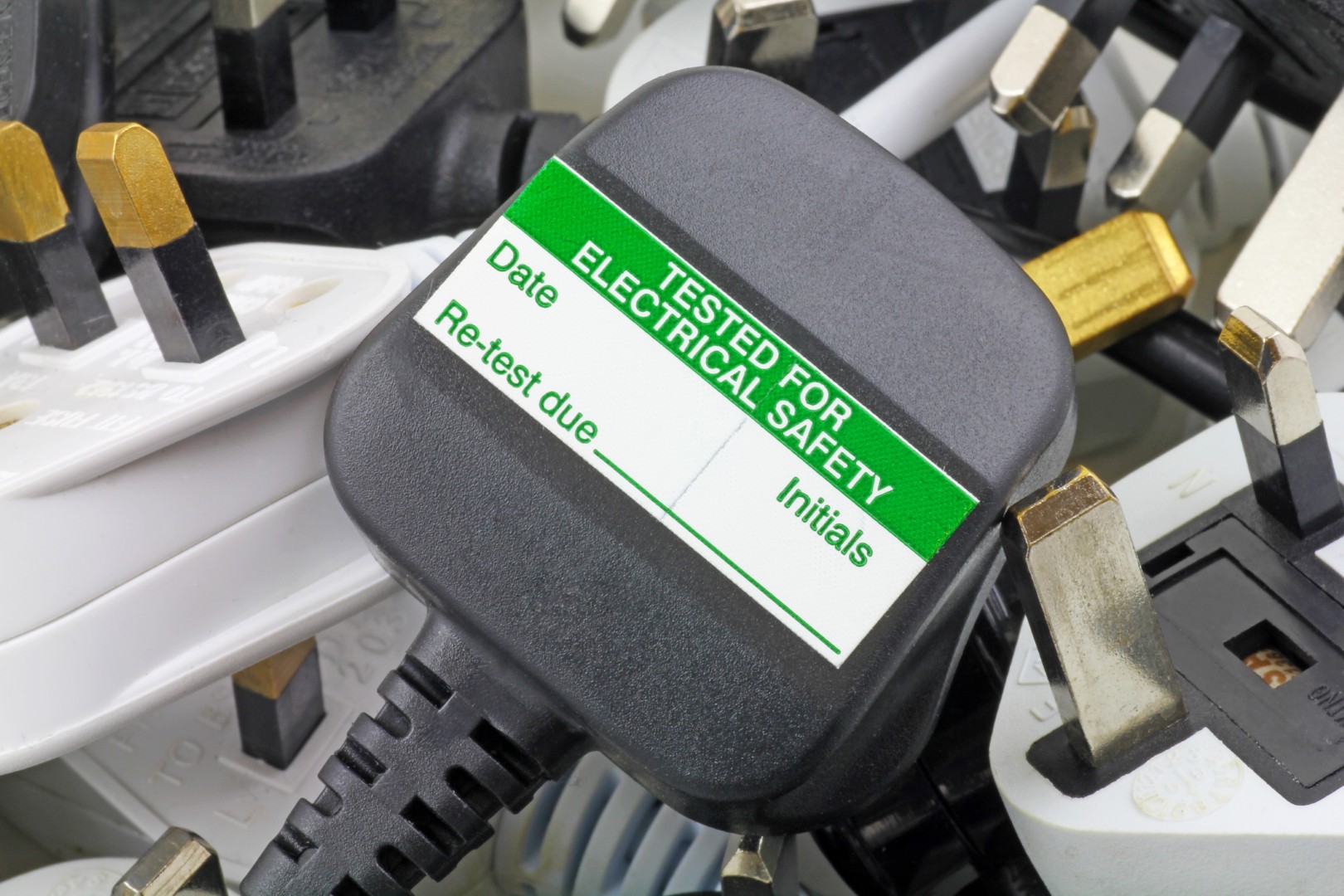
Combined inspection and testing, often referred to as Portable Appliance Testing or more commonly PAT, is the process of routinely inspecting and testing electrical equipment to make sure it is safe to use. It usually combines a visual inspection (checking for obvious damage such as frayed cables, loose parts, or cracked casings) with an electrical test using specialist equipment.

The term “portable” in Portable Appliance Testing applies to any device that can be moved and connected to the mains via a plug and socket — from kettles and extension leads to laptops, printers, and heavy-duty power tools.

Portable Appliance Testing (PAT)

What does Portable Appliance Testing mean in Health & Safety?

In the UK, Portable Appliance Testing (PAT) itself is not a legal requirement, and there is no fixed testing frequency set by law. However, employers, landlords, and self-employed individuals have a legal duty under the Electricity at Work Regulations 1989 to ensure that electrical equipment is maintained in a safe condition. PAT is widely recognised as a practical and reliable way to demonstrate compliance.

The frequency of testing depends on three main factors:

  • The type of equipment – double-insulated or low-energy devices such as computers pose less risk than heavy machinery or heating appliances.
  • The way it is used – equipment moved around regularly is more likely to get damaged than static office kit.
  • The environment – harsh or high-risk locations such as factories or construction sites create greater wear and tear.

Examples of frequency guidelines include:

  • Office equipment such as computers or printers: every 2–4 years.
  • High-risk environments like construction sites: every 3–6 months.
  • Frequently handled items such as kettles and extension leads: annually is usually sufficient.

Employers should also use risk assessments, visual checks, and user awareness alongside formal PAT to reduce hazards.

Portable Appliance Testing in your workplace

Understanding why Portable Appliance Testing matters is only part of maintaining electrical safety. Employers also need to know how to manage inspections, identify potential risks and ensure equipment remains safe to use. Taking a proactive approach can help protect your people, reduce business risks and support your wider health and safety responsibilities.

  • Why does Portable Appliance Testing matter for your business?

    Electrical safety is a cornerstone of workplace health and safety. While PAT may not be legally mandated, failing to ensure equipment is safe to use can have significant consequences. Unsafe electrical appliances are a leading cause of shocks, fires, and injuries at work.

    • Increased risk of accidents — electrical fires or shocks can put employees and customers in danger.
    • Legal and financial exposure — under the Electricity at Work Regulations, employers may face enforcement action if electrical equipment is unsafe.
    • Insurance issues — many insurers expect evidence of regular electrical safety checks and may challenge claims without it.
    • Reputation damage — unsafe workplaces reduce trust, damage employee morale, and could impact recruitment and retention.

    On the positive side, inspecting and maintaining electrical appliances helps to build a culture of safety, ensures compliance with HSE expectations, and reduces downtime caused by faulty or dangerous equipment.

  • Portable Appliance Testing – Best Practice

    The best approach to combined inspection and testing (PAT) is proactive and risk-based rather than rigidly scheduled. Employers should aim to build PAT into their wider health and safety management system. Some best practice steps include:

    • Carry out a risk assessment to determine how often equipment should be tested. A “one-size-fits-all” annual test is not always necessary.
    • Train staff to carry out basic visual checks — such as spotting damaged plugs, exposed wires, or scorch marks — before using equipment.
    • Keep accurate records of testing and inspections, even though not legally required, as these demonstrate compliance and due diligence.
    • Repair or replace faulty equipment promptly, rather than allowing unsafe appliances to remain in use.
    • Use competent persons to carry out PAT — this can be a trained in-house employee or an accredited external provider.

    impact HR can provide practical advice on setting up policies, templates, and training for electrical safety, ensuring your business remains compliant and your employees safe.

  • Need support with workplace Health & Safety?

    Keeping your workplace safe and meeting your health and safety responsibilities doesn’t have to be complicated. Our team can help you identify risks, stay compliant and put practical measures in place to protect your people and your business.

    Contact us

Your Questions Answered

Everything you need to know about Portable Appliance Testing

  • Do I have to complete PAT every year?Reveal

    No, PAT testing does not automatically need to be completed every year. How often electrical equipment should be inspected and tested depends on the level of risk, the type of equipment and the environment in which it is used.

    For example, office equipment such as computers and monitors may only require inspection and testing every few years, depending on how well it is maintained and the results of previous checks. However, equipment used frequently in higher-risk environments, such as construction sites or workshops, may need more regular inspections.

    Employers should carry out risk assessments to determine appropriate testing intervals rather than following a blanket annual schedule.

  • Is PAT a legal requirement?Reveal

    No, there is no specific legal requirement for businesses to carry out PAT testing or to test every electrical appliance annually. However, employers do have a legal responsibility to ensure that electrical equipment provided for use at work is maintained in a safe condition.

    Under the Electricity at Work Regulations 1989, employers must take appropriate steps to prevent danger from electrical systems and equipment. PAT testing is one way of helping businesses identify potential faults and demonstrate that they are taking electrical safety seriously.

    Depending on the equipment and level of risk, a suitable maintenance programme may include visual inspections, combined inspection and testing, or other appropriate checks.

  • Who can carry out PAT?Reveal

    Portable Appliance Testing must be carried out by someone who is competent to undertake the inspection and testing safely and correctly. This does not necessarily mean hiring an external specialist, as a suitably trained member of staff may be able to complete the work.

    A competent person should understand how to identify electrical faults, use PAT testing equipment correctly, interpret test results and recognise when an appliance should be removed from service.

    For businesses without the appropriate skills or equipment in-house, using a professional PAT testing provider can help ensure inspections are completed properly and any issues are identified.

  • What equipment needs PAT?Reveal

    Portable Appliance Testing generally applies to electrical appliances that can be moved and connected to the mains supply using a plug. This includes a wide range of equipment found in everyday workplaces, from small office appliances to portable machinery.

    Common examples include:

    • Computers, monitors and printers.
    • Kettles, microwaves and toasters.
    • Extension leads and multi-socket adaptors.
    • Vacuum cleaners and portable heaters.
    • Power tools and portable machinery.
    • Chargers and other plug-in electrical equipment.

    Not every electrical appliance will require the same level of inspection or testing. The decision should be based on factors such as the equipment’s condition, how frequently it is used, its environment and the potential consequences of a fault.

  • What happens if I don’t carry out PAT?Reveal

    While failing to carry out Portable Appliance Testing does not automatically mean a business is breaking the law, failing to maintain electrical equipment in a safe condition can result in serious consequences.

    If faulty equipment causes an accident, fire or injury, employers could face enforcement action, prosecution or financial penalties if they have failed to meet their legal health and safety responsibilities.

    There are also wider business risks to consider, including:

    • Increased risk of accidents: Faulty electrical equipment can cause electric shocks, burns, fires and serious injuries.
    • Legal and financial consequences: Businesses could face enforcement action, prosecution, compensation claims and associated costs if electrical safety responsibilities are neglected.
    • Business disruption: Equipment failures or electrical incidents can lead to downtime, damaged property and interruptions to normal operations.
    • Reputational damage: Serious health and safety incidents can affect employee confidence, customer relationships and the wider reputation of a business.

    Having a suitable electrical equipment inspection and maintenance programme in place helps businesses identify potential problems early, protect employees and reduce avoidable risks.

Where to find out more A collection of hand-picked useful resources for Portable Appliance Testing from impact HR and beyond

Meet the team that drives impact HR Real people. Real expertise. Real impact

Our team combines HR and Health & Safety expertise with a practical, people-first approach. Get to know the experts who’ll work alongside you to support your business and your people.

HR and Health & Safety Services to support you Our Services

Make an enquiry

Let’s talk

Start making your impact.

Whether you need day-to-day HR support, ad-hoc support or a long-term partner, we’re here to help.

Get in touch for a free initial chat — no pressure, just practical advice from people who get it.

0330 2369866
hello@impacthr.co.uk

Leicester: 6 St. Georges Way, 3rd Floor, St. George’s House, Leicester LE1 1QZ
London: 167 City Road, London EC1V 1AW
Leeds: Building 3, City West Business Park, Gelderd Rd, Holbeck, Leeds LS12 6LN
Essex: Halford House, 2 Coval Lane, Chelmsford, England, CM1 1TD